Growing restaurant sales starts with three questions: how much does each order bring in, how often do customers return, and how easy is it to order from you again?
You do not have to change everything at once. Start with one practical improvement, compare similar trading days, and keep an eye on what remains after food, labour and other costs. Higher sales are useful only when the extra work makes business sense.
1. Make each order more valuable
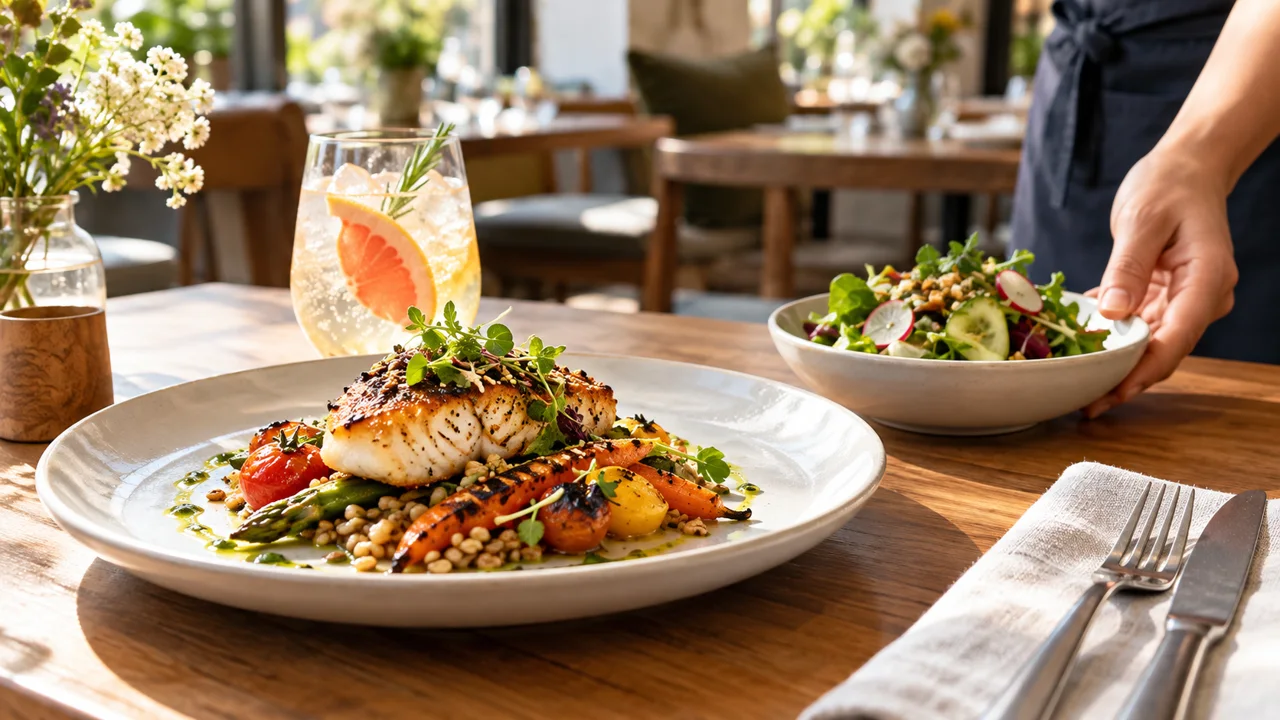
A bigger menu is not always a better menu. Help customers build a meal they actually want, with a small number of clear, relevant choices.
Start with a popular main dish and consider what complements it: a side, a drink or a dessert. Put that combination where customers make their decision, on the printed menu, your website or the ordering screen. Train your team to make one helpful suggestion rather than running through a sales script.
For example, a lunchtime guest choosing a sandwich might appreciate being offered a small soup. A family collecting dinner might find a clearly priced meal bundle easier than choosing every item separately. Keep individual prices visible, and make the saving or convenience easy to understand.
- Choose one pairing to test. Use items your kitchen can prepare reliably during the same service.
- Check the contribution. Deduct the extra ingredients, packaging and any extra labour before deciding whether a bundle is worthwhile.
- Measure average order value. Divide sales by the number of orders, using the same treatment of tax, refunds and tips each time. Compare similar weekdays and service periods.
Watch preparation time and waste alongside sales. An add-on that slows the kitchen or gets thrown away may look better on the till than it does in your accounts.
2. Give happy customers a reason to return
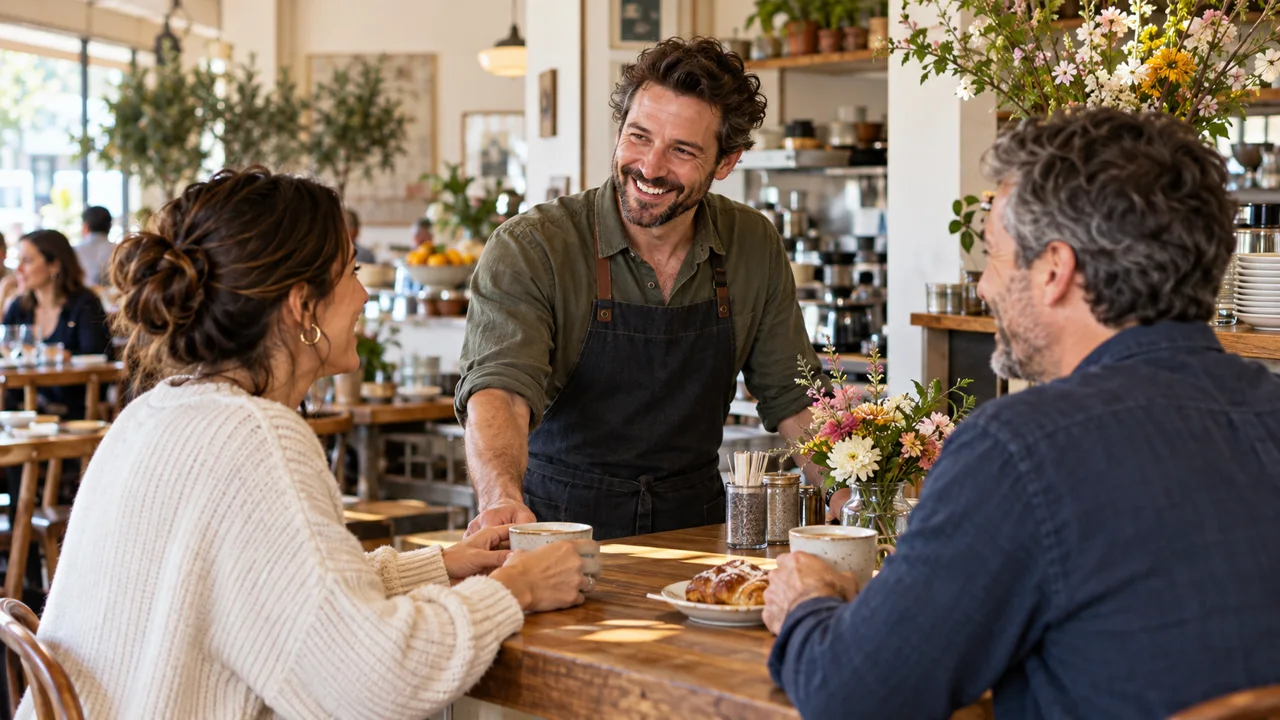
The next sale may come from someone who already enjoyed their last visit. Make that return visit easy to imagine and easy to arrange.
Start with the experience itself: accurate orders, consistent food, clear collection times and a thoughtful response when something goes wrong. A promotion cannot make up for an unreliable meal.
Then choose a specific reason to come back. That could be a seasonal special, a weekday lunch option or a straightforward loyalty reward. Match it to a quieter period or a customer need instead of discounting every order.
- Make the next step obvious. Put a readable ordering link or QR code on your own receipts, takeaway packaging or table material, with a short explanation of where it goes.
- Offer a useful reward. Explain how it is earned, when it expires and any restrictions. Choose a reward you can afford to honour.
- Keep communication welcome. Invite people to opt in to relevant updates and make it easy to stop receiving them. Follow the rules that apply to your customers and the channel you use.
Track how many customers return within a consistent period, where you can measure this reliably. Also check reward redemptions, repeat-order value and the cost of the offer. A busy promotion is not automatically a profitable one.
3. Build your own ordering and marketing channel with BizAppMaker
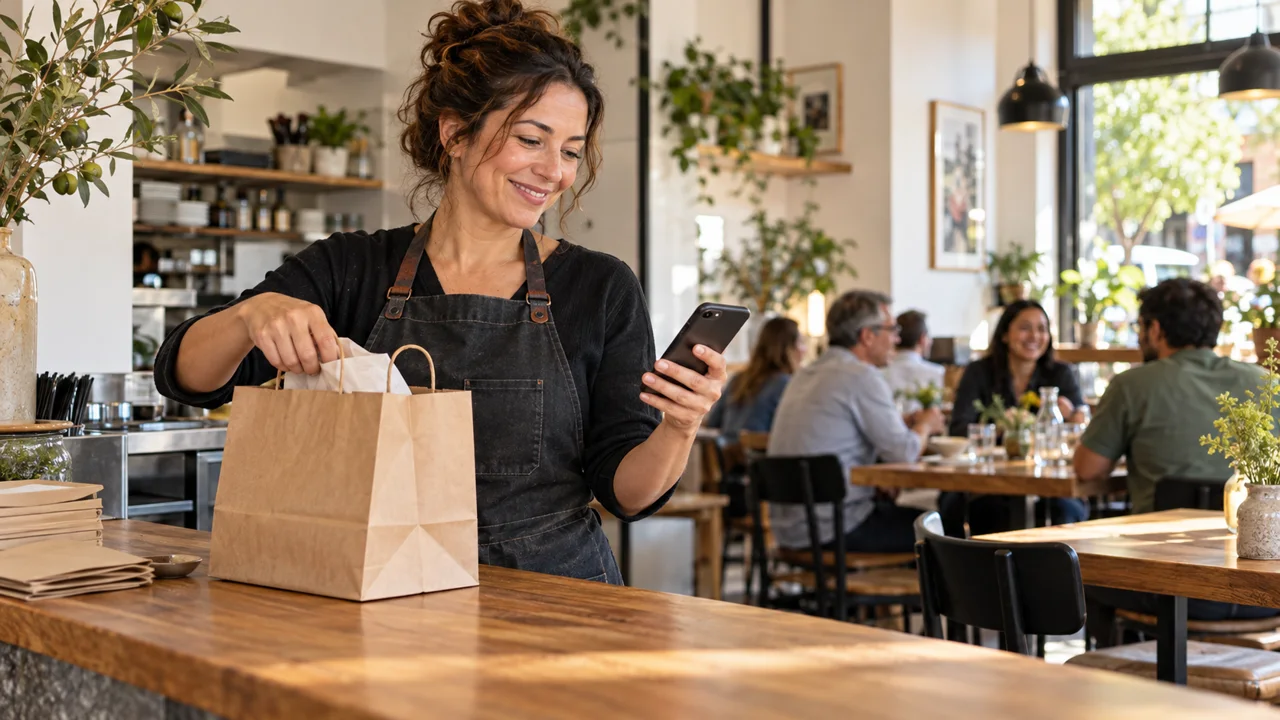
When a guest wants to return, a channel that carries your restaurant's name can keep the next step close to your brand. BizAppMaker provides branded apps with ordering and customer marketing tools for food and drink businesses.
Your own app can give customers a familiar place to view your menu and place an order. Loyalty tools, coupons and push notifications can support repeat visits when they are included in your plan and configured for your business. The benefit is having a direct route back to your restaurant and a place to manage those customer interactions.
- Keep your brand visible. Give returning guests an ordering experience under your own business identity.
- Connect orders with repeat visits. Use the available rewards and promotional tools to give customers a relevant reason to come back.
- Keep the economics clear. BizAppMaker charges 0% platform commission on orders. Subscription, setup, payment-processing and any applicable third-party fees are separate. Check the current plans and pricing before comparing costs.
Start small: make your menu accurate, test the customer journey, and invite existing customers to try your direct channel. Compare direct orders and repeat visits with your earlier baseline. An app is a tool for a better customer experience; it does not guarantee extra sales on its own.
Explore BizAppMaker's ordering and marketing features, or talk with us about your restaurant.
Choose one change from this article for your next trading week. Decide what you will measure before you start, and keep the changes that improve both the customer experience and your business results.